6 min read
Summer's hottest days have arrived, and the soaring temperatures don't just take a toll on you—they can also put serious stress on your home. Extended heat waves can cause everything from floor tiles to expand to roof shingles to warp, leaving homeowners with costly repairs if problems go unnoticed.
Few people understand the effects of extreme heat better than David Lewis, owner and founder of Mission AC, Plumbing and Electrical. Based in Houston, Texas—where summer temperatures routinely climb into the 90s alongside relentless humidity—Lewis has seen firsthand how prolonged heat can impact essential home systems.
“In the plumbing world, we often see issues crop up during heat waves,” Lewis says. “Pipes can expand in high temperatures, leading to leaks or even bursts, especially in older systems. When it comes to electricity, the increased power consumption during hot spells can overload your system, potentially causing circuit issues or, in worst-case scenarios, electrical fires.”
Because extreme heat is becoming more common across much of the country, Lewis says preventative maintenance is your best defense. He recommends servicing your HVAC system regularly by replacing air filters every three months and making sure your home is properly insulated. Adding insulation around pipes—especially those in attics, garages, and crawl spaces—can also help protect against temperature-related damage. If your household frequently runs several high-demand appliances at once, upgrading your electrical panel may be a worthwhile investment.
It's just as important to recognize the warning signs that something isn't functioning properly. An air conditioner that struggles to cool your home, cycles on and off repeatedly, or makes unusual noises could be under excessive strain. Plumbing issues may show up as unexplained spikes in your water bill, damp spots on walls or ceilings, or weaker-than-normal water pressure. On the electrical side, watch for flickering lights, breakers that trip repeatedly, or outlets and switches that feel warm.
Repair costs can range from relatively minor to significant depending on the issue. Recharging an AC system with refrigerant may cost a few hundred dollars, while replacing the entire unit can exceed $10,000. Fixing a single plumbing leak is often inexpensive compared to whole-home repiping, which can also reach five figures. Electrical repairs vary as well, from a few hundred dollars for a new circuit breaker to several thousand for a complete panel replacement.
To help you stay ahead of costly damage, here are seven additional ways prolonged heat waves can affect your home—and the steps you can take now to reduce the risk.
Install a Surge Protector
Power outages and surges during heat waves can cause significant problems for home systems, Lewis says. In the middle of extreme temperatures, HVAC companies often see damaged capacitors, control boards, and compressors, leading to system failures and expensive repairs. These power issues can also affect well pumps, potentially damaging them when power returns suddenly. In extreme cases, power surges can even cause electrical fires.
“To protect your home, I recommend installing whole-house surge protectors, considering a standby generator, and maintaining your HVAC system regularly,” Lewis says.
Keep an Eye on Your Shingles
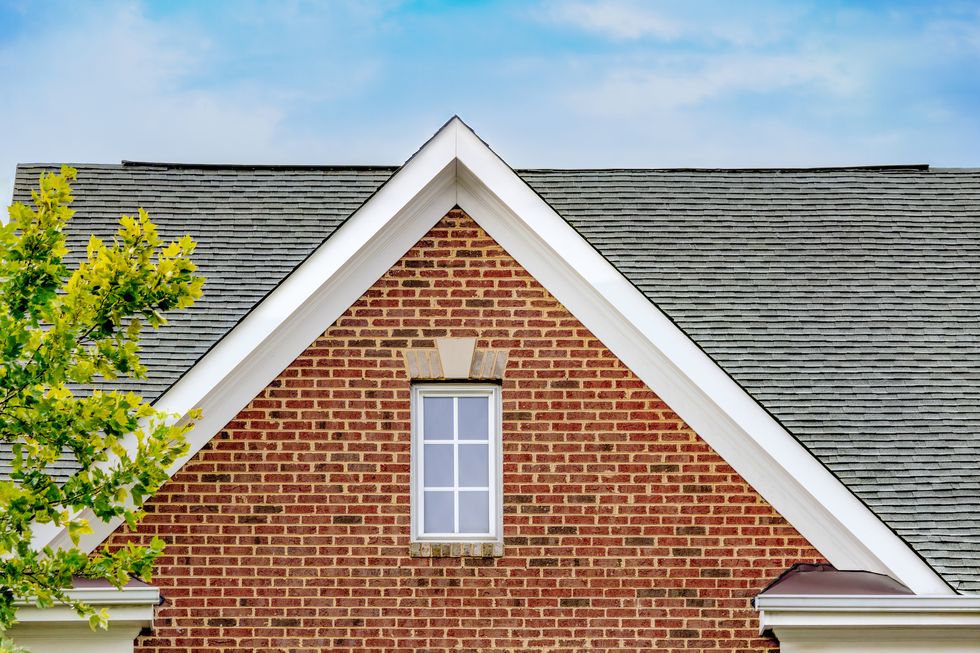
Extreme heat can cause roof shingles to curl, crack, or even fall off, says Derek Perzylo, co-owner of Big 5 Exteriors Ltd., an exterior services contractor in Calgary. When it’s hot, the shingles can heat up and swell; when it cools down again, they retract, which leads to wear and tear. A particularly hot summer can accelerate the aging process of shingles, making them brittle and more susceptible to damage, Perzylo says.
While you can’t control the weather, you can make sure your attic is well ventilated to reduce heat from building up and scalding your roof. When it’s time for a roof replacement, Perzylo suggests looking into lighter-colored shingles, which can help reflect sunlight and reduce heat absorption.
If you notice any curling edges, missing shingles, or large chunks of granules in your gutters, call a professional roofer for an inspection, he suggests. Repairing shingles can cost a few hundred bucks, but a full roof replacement, on average, costs more than $9,000.
Apply New Caulk
When it gets hot, the caulk around doors and windows can dry out and crack, letting air and water leak out, Perzylo says. Over time, heat makes the caulk less flexible, which makes it easy to snap.


Hot temps in the forecast can be a good reminder to apply new caulk, especially if you’re noticing any cracks or holes around the doors and windows, he says. Make sure the surface you’re caulking is clean and dry, and do this task on a cool day to make sure it adheres well.
Clean Out Your Gutters
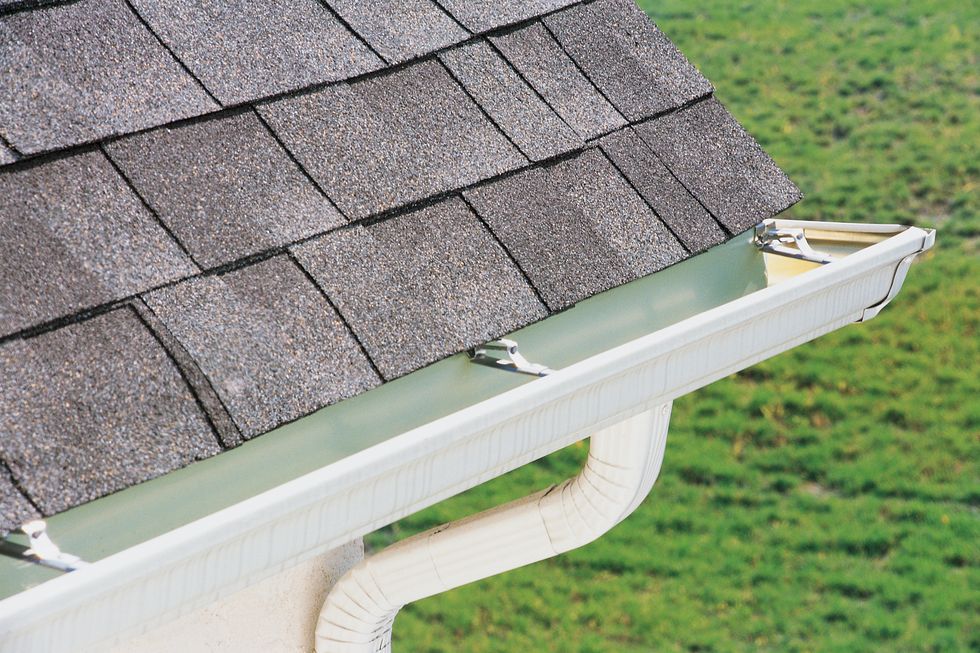
Vinyl or aluminum gutters can bend or sag during a heat wave, Perzylo says. “This can hurt the drainage in your yard and even cause water damage to the foundation of your home,” he says. If you see water leaking over the sides of the gutters when it rains, it could mean they’re not lined up properly because they’re warping.
This can be avoided by cleaning your gutters regularly. Clean gutters don’t hold as much weight, so they’re less likely to sag or pull away from your house, Perzylo explains. You might also want to install gutter guards to keep debris from building up.
Depending on how bad the damage is, repairs usually cost between $300 and $1,500 and can entail securing loose parts, replacing warped pieces, or getting new gutters.
Reseal Your Windows
Since wood is porous, wooden windows and doors can swell in high humidity and heat, making them difficult to open or close, Asif Bux, service manager at Comfort Union, an HVAC and plumbing company, explains. When the weather cools, the wood dries and shrinks. When this happens repeatedly, your doors and windows can start to get warped, and gaps can form between the frame and the sash on a door or sill on a window. Making sure your windows and doors are properly sealed can lessen the problem. If you find yourself in a constant battle to get your doors to shut properly, you may want to consider more weather-resistant materials like vinyl or fiberglass, Bux says.
Use a Dehumidifier
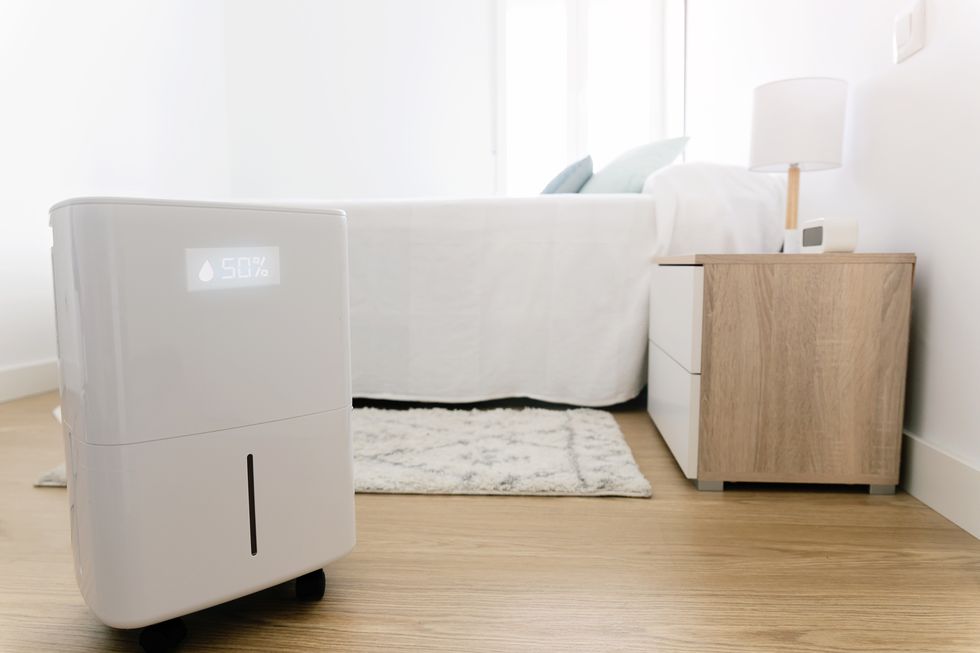
High temperatures often come with increased humidity levels, which creates an ideal environment for mold growth, especially in poorly ventilated areas like basements and attics, Bux says. If you catch it early, getting rid of mold can cost $500, but if the mold spores spread to walls and surfaces and a larger remediation is needed, the cost can go up to $6,000 or more, Bux estimates.
Using a dehumidifier is a good line of defense, Bux says, as you’ll want to try to keep your indoor humidity levels below 60 percent, but between 30 and 50 percent is ideal, according to the Environmental Protection Agency. Also, make sure that you’re properly ventilating your bathrooms and kitchens using exhaust fans, he recommends. You also want to stay on top of little tasks to eliminate damp areas, like drying the rubber ring on your washer to get rid of any moisture that pools up, and be on the lookout for any condensation on your AC unit or other appliances.
Heating and cooling systems are two of the biggest energy users in the home, accounting for between 40 and 50 percent of a home’s energy bill on average, Shawn McLaughlin, CEO of Emporia Energy, says. While it’s a good idea to dial them back when not in use to trim down on your energy use, don’t turn off your air conditioning entirely when you’re away, since it also controls humidity. “In some climates, turning off the A/C while you're away can lead to moisture build-up and mold growth,” he says.
Seal Grout Lines
Tile, particularly ceramic and porcelain tile, can expand slightly in severe heat, Drew Mansur, cofounder and director of TileCloud, a tiling and homewares company, says. This expansion is typically absorbed by the grout lines, but if the heat is extreme or prolonged, it can lead to cracking or buckling of tiles. This is why it’s so important to make sure that tiles are laid with proper expansion gaps around the edges (this is typically hidden under the baseboards or trim).
Professionals should also use high-quality, flexible grout that can stand up to some movement and high temperatures, Mansur says. Regularly sealing the grout lines can help protect your tile. But if you need to replace your tile, it can cost $10 to $50 per square foot.