Expert consulted:
 4 min read
For an enchanting and romantic yard, there’s no better flower to plant than roses. These gorgeous blooms can make you the envy of the neighborhood—but only if you know how to prune roses properly to keep your bushes healthy, vibrant, and full of blooms. While pruning may seem intimidating at first, the right techniques and expert guidance can help you tackle the task with confidence.
Learning how to prune roses does more than simply tidy up your garden. Proper pruning encourages healthy growth, improves air circulation, and leads to a more abundant display of flowers season after season. From knowing the best time to prune to understanding how often it should be done, mastering this essential gardening skill can elevate the beauty of your yard.
To help simplify the process, we turned to Nita-Jo Rountree, a Seattle-based garden designer and author of Growing Roses in the Pacific Northwest, for expert advice on rose-pruning techniques. Read on for her practical tips on how to prune roses so your plants stay healthy, bold, and blooming year after year.
Additional copy by Meghan Shouse.
Why You Need to Prune Your Roses
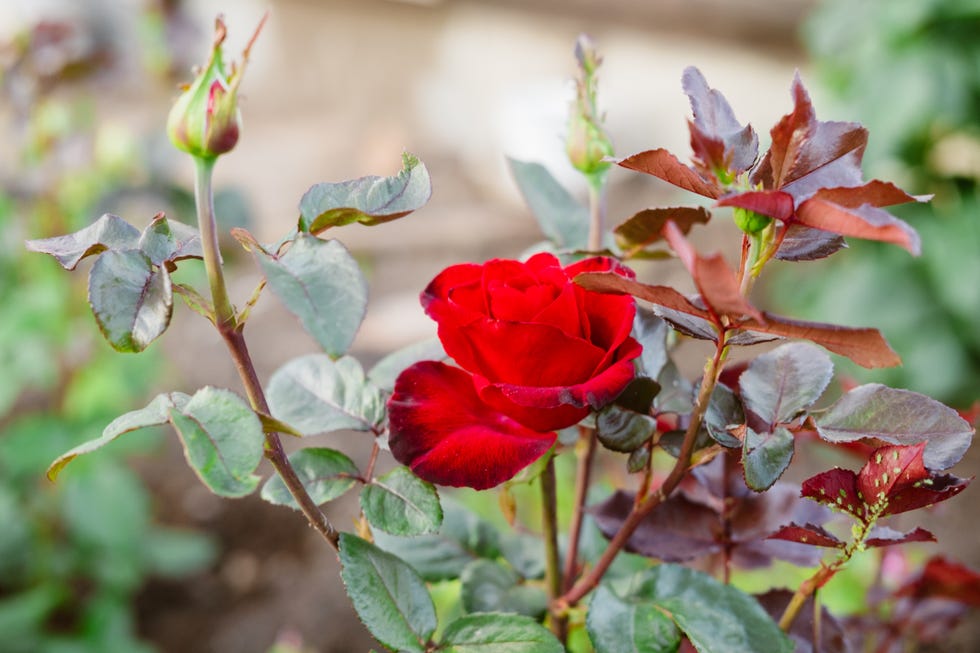
Pruning isn’t just about shaping your roses; it’s essential for ensuring vigorous plants and abundant blooms. So, prune with abandon.
“You can’t hurt your roses by pruning them!” Rountree says. “In fact, you can harm them by not pruning them.” She explains that diseases can survive the winter in rose canes and leaves. “By cutting off part of the canes and removing all of the remaining leaves, you eliminate potential disease that can spread to healthy new growth,” says Rountree.
When to Prune Your Roses
Once-blooming rose varieties should be pruned just after they bloom in early summer. For most other rose varieties, late winter to early spring, right after the last frost, is the optimal time for pruning.
“If you’re not trying to grow exhibition-type roses, it’s not necessary to be especially particular about how you prune your roses,” says Rountree. Here, she offers guidelines for when and how to prune:
- Early pruning (December): Begin by cutting back roses to a manageable height to prevent wind damage. Remove fallen debris to maintain garden cleanliness.
- Late winter (February): Trim roses back further to knee height. Remove any “D’s”—dead, diseased, or damaged canes—and cut back any crossing branches to promote airflow and prevent disease.
- Expert technique (after fall pruning): For hybrid teas and floribundas, cut at a 45-degree angle just above an outward-facing leaf node. Remove canes smaller than a pencil and any remaining leaves to encourage new growth.
Keep an eye on your local forecast to plan your pruning to avoid cold snaps and injury to your plants. If there is another frost after you’ve pruned, you’ll need to carefully check your plants and prune away any cold damage.
How Often to Prune Roses
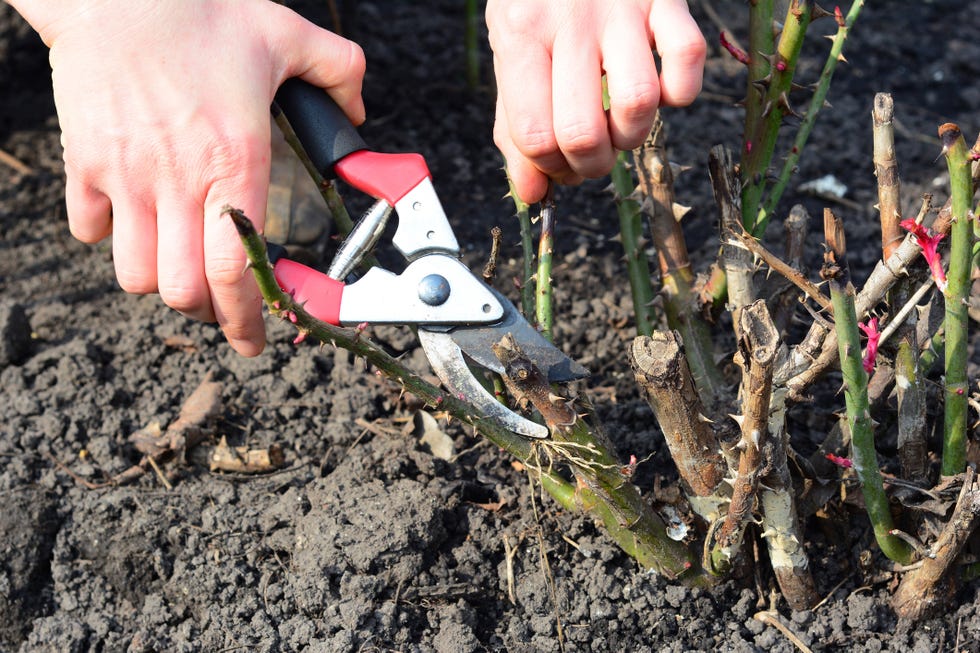
Roses should be pruned at least once a year. Main pruning should be done in late winter or early spring, focusing on removing dead, diseased, or damaged canes. Throughout the growing season, regular deadheading of spent blooms can enhance aesthetics while encouraging continuous flowering.
“It’s one of my favorite gardening chores because I get a good close-up look to see if there are any pests or disease problems to nip them in the bud, and I can admire and smell the fragrance of the beautiful new flowers,” says Rountree. “Also, it’s immediate gratification because the rose looks so much better with the spent flowers removed.”
To deadhead, make a 45-degree cut just above the next set of leaves. Rountree notes that some experts recommend cutting down to the next set of four leaves. “Always remove any dead or diseased rose canes,” she says.
Essential Tools for Pruning Roses
To prune roses, all you need are the following:
- A sturdy pair of gardening gloves
- A pair of sharp, clean, bypass pruning shears or loppers
“It’s important to use bypass shears and loppers rather than anvil shears because those can crush the stem,” says Rountree. Clean cuts are crucial for quick healing and disease prevention.
Another tip is to sanitize your pruning tools between cuts to prevent the spread of disease—a simple wipe with rubbing alcohol ensures clean, healthy pruning.
How to Prune Climbing Roses
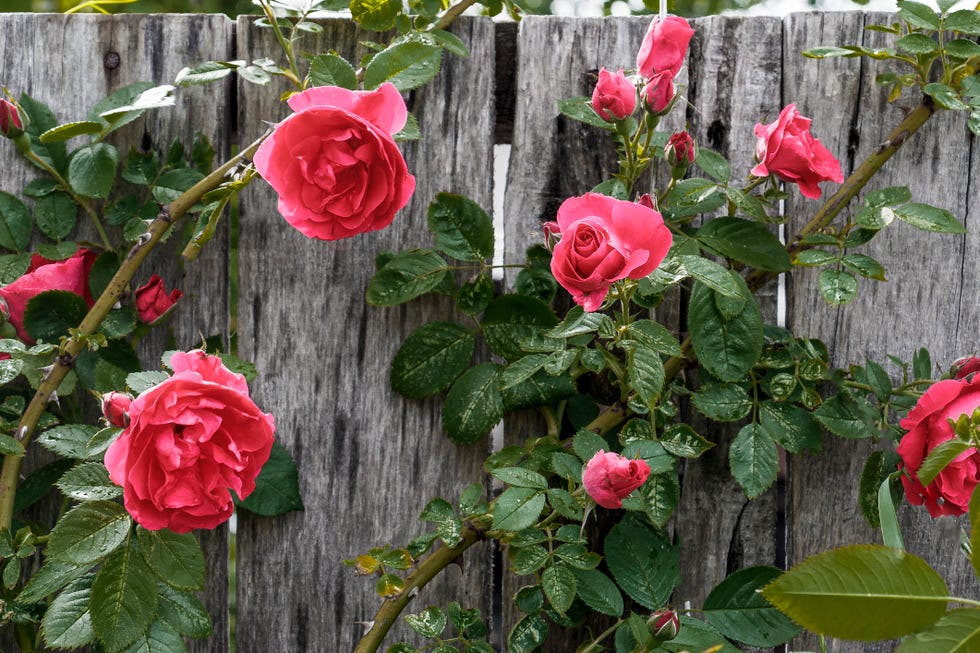
Different types of roses require specific pruning techniques. Climbing roses that bloom repeatedly are pruned entirely differently than hybrid tea and floribunda roses, according to Rountree.
“The canes of climbing roses are usually trained horizontally, which causes lateral canes to grow up from the main branches vertically. That’s where the flowers will form. Cut the lateral branches to two buds above the main stem. Cut any old main branches that no longer produce blooms to the ground. Always remove the three D’s and any remaining leaves in late winter or early spring,” she says.
What to Do After Pruning Your Roses
After pruning, focus on watering and fertilizing to ready your plants for their next growing cycle:
- Watering: Established roses require at least one inch of water per week, and newly planted roses require more frequent watering, according to Rountree. Water the entire bed to encourage roots to grow and spread out.
- Fertilizing: Reapply fertilizer after six weeks, keeping in mind that organic fertilizers need to be used more frequently than synthetic. Follow the instructions that come with the fertilizer. Don’t fertilize after the end of July to avoid pushing new growth in late fall.
FAQs on How to Prune Roses
What’s the difference between pruning young versus mature roses?
While newly planted roses may benefit from a more severe prune to encourage robust growth, mature roses with thick, woody canes may require a pruning saw for clean cuts.
How do you encourage more roses to bloom?
Regular deadheading not only maintains a tidy appearance but also stimulates the plant to produce new flowers. If you desire rose hips or seeds, Rountree recommends that you cease deadheading after the first flush of blooms.
Follow House Beautiful on Instagram and TikTok.
Nita-Jo Rountree is a landscape designer, author, and educator. She is the former vice president of the board of directors of the Bellevue Botanical Garden Society, a member of the Heronswood Garden Steering Committee, and currently serves on the advisory board of the Northwest Horticultural Society, of which she is a former president. Nita-Jo is a frequent speaker at the Northwest Flower & Garden Show, and was a judge on “The Best Use of Color.” Her book Growing Roses in the Pacific Northwest was published by Sasquatch Books.