
 4 min read
Star jasmine (Trachelospermum jasminoides) is a graceful flowering vine admired for its small, star-shaped white blossoms and sweet fragrance reminiscent of vanilla. Commonly referred to as climbing jasmine or confederate jasmine, this popular plant is more than just visually appealing; it also plays a valuable role in supporting local ecosystems. Its fragrant blooms attract pollinators such as bees and butterflies, helping promote biodiversity and create a healthier, more vibrant backyard environment.
With its glossy evergreen foliage and elegant trailing growth habit, star jasmine can transform fences, trellises, pergolas, and garden walls into lush focal points. Beyond its beauty, the vine creates a soothing sensory experience, filling nearby outdoor spaces with a rich floral scent that’s especially noticeable in the warmer months. Whether used as a climbing accent, ground cover, or container plant, it adds charm and character to nearly any landscape design.
Fortunately, star jasmine is relatively easy to grow and maintain, making it an excellent choice for both experienced gardeners and beginners discovering their green thumb. With the right combination of sunlight, watering, pruning, and seasonal care, this hardy vine will reward you with dense foliage and abundant blooms year after year. Learning how to properly plant and care for star jasmine ensures you can enjoy its beauty, fragrance, and pollinator-friendly benefits for seasons to come.
What Is Star Jasmine?

Star jasmine is a versatile perennial vine that's native to East Asia. It thrives in USDA Hardiness zones 7 to 10 and can be grown as either a ground cover or climbing vine, making it a popular choice for retaining walls, trellises, fences, and even planters. When draped over a pergola or gazebo, climbing jasmine brings a charming, fairy-tale look to backyard landscapes.
Where to Plant Star Jasmine
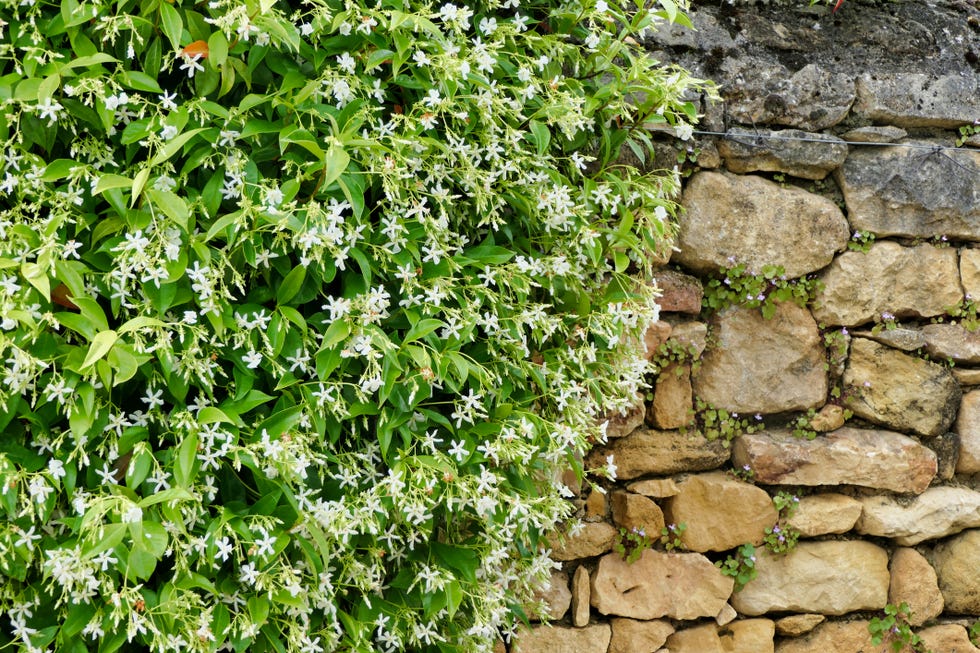
Like all plants, star jasmine flourishes when grown under the right conditions. When deciding where to plant star jasmine, consider the following factors:
Sunlight
Star jasmine prefers full sun to partial shade. In warmer climates, it benefits from some afternoon shade to protect it from intense heat. To promote abundant blooms, the vine should receive at least eight hours of sunlight per day.
Soil
Moderately moist and well-draining soil is essential for healthy growth. Star jasmine thrives in fertile, loamy soil with a slightly acidic to neutral pH. If planting multiple star jasmine plants as ground cover, they should be spaced at least five feet apart to avoid overcrowding.
Climate
While star jasmine is adaptable, it prefers moderate, humid climates with temperatures ranging from 60 to 75 degrees Fahrenheit. It can withstand brief periods of frost once established but may require protection during harsh winters.
How to Plant Star Jasmine
Before planting star jasmine in your garden, prepare the soil by mixing in organic matter such as compost to improve drainage and fertility. Then, follow these steps for successful planting:
- Dig a hole twice as wide and just as deep as the plant's root ball.
- Gently remove the plant from its container and place it in the hole, ensuring the top of the root ball is level with the soil surface.
- Fill the hole with soil, pressing gently to eliminate air pockets around the roots.
- Water thoroughly immediately after planting to help the roots establish themselves.
How to Care for Star Jasmine

Watering
Proper watering is crucial for star jasmine's health and growth, especially in its earliest stages. But once established, star jasmine is moderately drought-tolerant. Water it deeply but infrequently, allowing the soil to dry out slightly between waterings.
Fertilizing
Once the roots are well-established, feed your star jasmine with a balanced fertilizer in early spring before new growth begins. Use a slow-release fertilizer formulated for trees and shrubs.
Pruning
Regular pruning helps maintain a star jasmine's shape and encourages vigorous flowering. You can prune lightly after flowering to control size and shape, removing dead or damaged branches and trimming back excessive growth. Pruning is best done in fall or early spring using sharp, clean gardening shears.
Training
If you're growing climbing jasmine, provide a trellis or other support structure, like a garden arbor, for the vine to cling to. Secure new tendrils gently to encourage them to grow upward.
Common Pests and Diseases
Star jasmine is generally resistant to pests and diseases, but occasional issues may arise. Watch for aphids, spider mites, and scales in particular. You can control infestations with insecticidal soap or horticultural oil.
Star jasmine, like many plants, can develop root rot if overwatered. This can be prevented by ensuring that your soil drains well. Fungal diseases can also be minimized by avoiding overhead watering and improving air circulation around the plant.
Star Jasmine FAQs

How Do I Winterize Star Jasmine?
Star jasmine is a hardy plant that can tolerate temperatures as low as 10 degrees Fahrenheit, but only for a short time. If you live in a cooler climate, you can protect star jasmine from frost by covering it with a frost cloth or bringing container plants indoors during temperature dips. Mulching around the base of the plant helps insulate roots and retain moisture.
How Do I Propagate Star Jasmine?
Like many climbing plants, star jasmine is fairly easy to propagate. You can create new cuttings to expand your garden in just two easy steps:
- Take four- to six-inch cuttings from healthy, established plants in late spring or early summer. Cut immediately below a bud.
- Dip the cut end in rooting hormone and plant in a container filled with well-draining soil. Keep the soil consistently moist until roots develop, which should happen within five weeks.


