
 3 min read
Nostalgia can be comforting, but that doesn’t necessarily make it stylish. Millennials growing up in the 1980s to early 2000s likely have vivid memories of growing up in homes that were outfitted with Tuscan-style kitchens, sponge-painted walls, and honey oak cabinetry everywhere. As millennials left their childhood homes and began furnishing spaces of their own, a clear divide emerged between the maximalist aesthetic of their youth and the streamlined look that defined the 2010s.
“In the peak era of HGTV, many millennials were also introduced to the open-concept floor plan, farmhouse decor (thank you, Chip and Joanna), and minimalism as a reaction against the cluttered, heavily decorated interiors of their parents’ generation,” says interior designer Abby Pendergrast.
The 2010s also marked the rise of social media as a major influence on interior design. Trendy, highly photogenic spaces like The Wing and the Museum of Ice Cream inspired countless mood boards and decorating choices. However, many of those once-innovative looks quickly became overdone, and today, they look downright outdated.
Pendergrast continues, “As adults, millennials are creating spaces that embrace comfort, personalization, and sustainability. Interestingly, we see millennials selectively reviving certain childhood trends—but with their own twists. Rather than going full farmhouse, they might integrate vintage-inspired decor or antiques alongside contemporary elements.”
If your home is feeling more 2016 instead of 2026, it’s time to make some changes. We asked interior designers to identify the decor trends millennials should leave behind—and what to try instead.
Millennial Pink Overload

According to Pendergrast, entire rooms painted pink or stocked with overly saturated pink decor are a few design faux pas to stay away from. Instead, she suggests opting for “moodier tones such as warm clay, earthy terracotta, or muted jewel tones for a more sophisticated palette.”
Pampas Grass and Faux-Boho Decor

Pampas grass and boho decor have gone hand-in-hand for far too long. Wherever we see a puffy pampas frond, there's usually macramé wall art somewhere close by. Even Jeremiah Brent is ready for this trend to be over.


To easily swap out this passé look, Pendergrast suggests implementing “healthy live plants, tall indoor trees like Audrey ficus or olive, or sculptural succulents and cacti for fresh, vibrant greenery.”
Interior designer Michelle Dew is also on board for adding more greenery and live plants to your space, as fake plants “look a bit tired and dated, especially if they’re poor quality.” She recommends live plants “for the look and the air-purifying qualities.”
Faux-Midcentury Furniture Sets
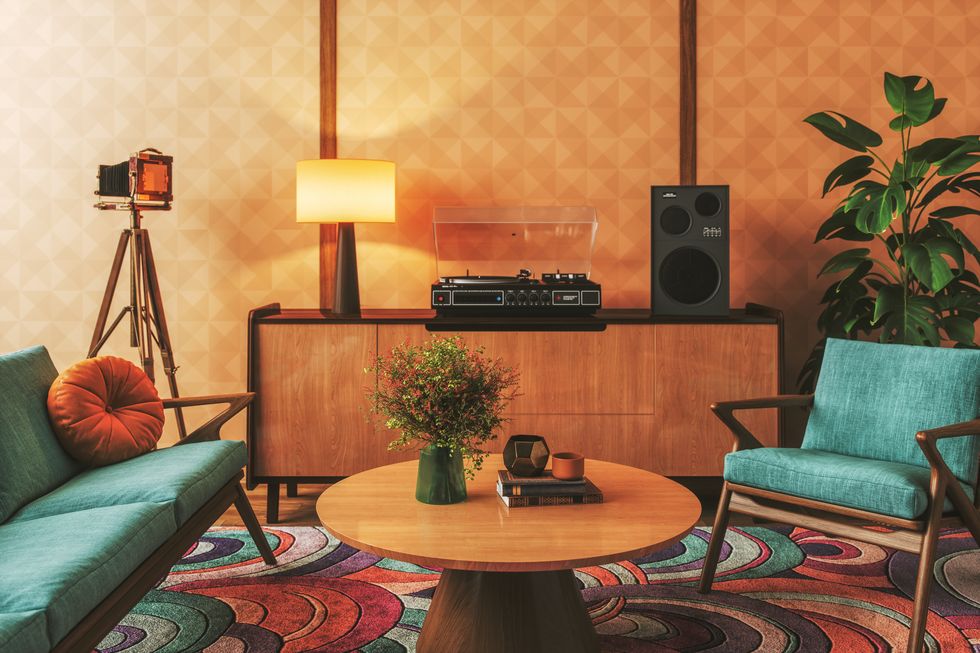
Blame this trend on all the millennials who binge-watched Mad Men in their early 20s. While the beauty of true midcentury modern style will always endure, Pendergrast says “entire rooms of midcentury reproductions or matching furniture sets” is a look that has to go. Instead of this, she recommends “curated and eclectic mixes of vintage, modern, and custom pieces that reflect personal stories and styles.”
All-Brass Hardware

Millennials have long defaulted to brass and gold hardware. However, overuse of these metallics can quickly date a room. Instead, try going the opposite direction with more silver finishes. “Polished chrome is classic for a reason. It stands the test of time without being too trendy,” Pendergrast says.
Wordy Wall Art
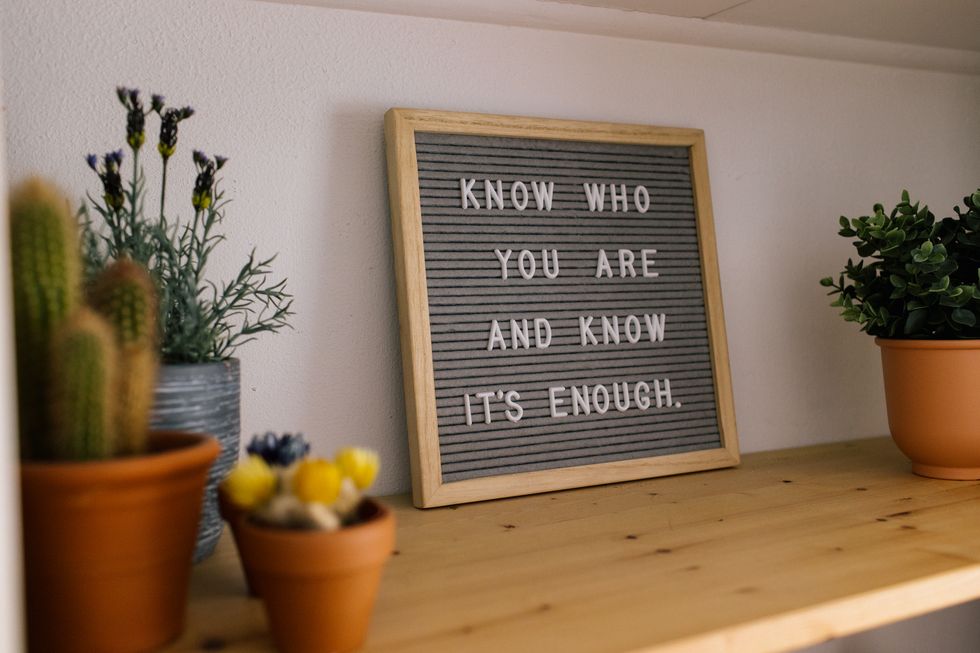
Time to say goodbye to your motivational letterboards and "But first, coffee" prints. Instead, consider unique pieces from local artists or find an art print on Etsy that will speak volumes without saying a word. Pendergrast suggests finding “original artworks, thoughtfully framed vintage posters, or carefully selected objects that speak to personal interests and experiences.”


