4 min read
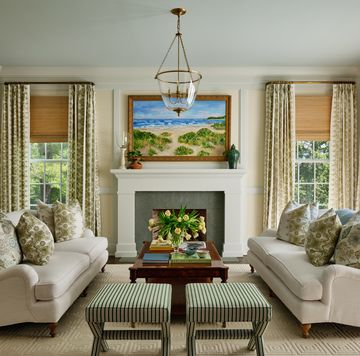
Pictured above: A vibrant sitting room designed by Charlotte Lucas.
Just as fashion trends reflect our current cultural moment, so does interior design. The days of millennial gray and ultraminimalism are giving way to warmer, more expressive spaces. As "grandma hobbies," nostalgia-maxxing, and antiquing continue to gain popularity, people are decorating their homes in ways that embrace character and individuality. “New traditionalism” is just one of these styles that is leading the shift.
Traditional design, though timeless, can have a reputation of being stuffy, pretentious, and predictable. New traditionalism, on the other hand, takes the playfulness of modern styles and infuses it into these more historical spaces. We asked designers how they distinguish traditional design from new traditionalism, what defines the style today, and why it's resonating with homeowners now. Here's what they had to say.
What Is New Traditionalism?
New traditionalism is simply the natural progression of traditional design.
“Design must continue to leap forward, and this is what happens when we respect the past but are willing to step outside our comfort zones,” Corey Damen Jenkins tells House Beautiful.
This evolved iteration is not meant to replace traditionalism or undermine its influence; it’s simply a new perspective on how antique pieces and older architectural details can live in the modern home.

“New traditionalism is about honoring timeless, classic design principles while integrating modern sensibilities,” designer Charlotte Lucas says. Proportion, craftsmanship, history, classic silhouettes—these elements are why traditional design endures and what new traditionalism is based around, though the stuffiness has been stripped out.
Bold patterns, high-gloss paints, layered textures, and rich colors are all common in new traditional styles. “It is eclectically exuberant and fashion-forward, unapologetic in the way it mixes textures, patterns, and colors, yet always rooted in the classics,” Jenkins adds. “It isn't about recreating a period room; it's about bringing a home forward without losing its essential nature.”
How New Traditionalism Is Different From Traditional Design
Traditional design was built around rigid rules, according to designer Brad Thornton. Think perfect symmetry, matching furniture sets, stiff textiles, and a very uptight vibe. It’s a beautiful and important design style, but it’s not the most welcoming, which makes it not as appealing to a younger audience, especially when little children are part of the picture.
“I’ll be the first to say traditional design never actually died, but after over a decade of open floor plans, flat walls, and disposable furniture, people are craving a touch of structure,” Thornton explains. When clients of his hear the word “traditional,” their brains typically go to unapproachable spaces, like off-limits living rooms or formal dining rooms that were only used once a year.


“New traditionalism’s goal is to balance that historic weight with the minimalism of the early Instagram era, where every space started to look the same,” Thornton adds. “It keeps classic silhouettes (think a traditional roll-arm sofa) but swaps out the frilly, ruffled skirts for a clean, tailored one.” The two interiors above, for instance, display more traditional-leaning spaces with the plates on the walls and the architectural details, though the fun patterns, prints, and silhouettes push them into the new traditionalism category.
With this refreshed style, there’s a conversation across eras happening, according to Jenkins, and new traditionalism encourages flexibility, whereas traditional design does not.

Designing a New Traditional Home
While new traditionalism allows a lot more freedom in design than traditionalism, they’re both grounded in the same things: architectural details, millwork, craftsmanship, and history. Or, as designer Stephanie Sabbe describes it, both of these styles require good bones. With new traditionalism, though, there’s opportunity to play more wildly with color, pattern, and decor.
In the spaces below, Sabbe pulls from traditional decor for the silhouettes and the millwork, while her busy wallpapers and modern light fixture, specifically in the dining room, make the home feel fresher.


Additionally, layering patterns and colors is an essential step in the process of designing a new traditional home. “Pairing a modern geometric fabric on a chair next to a traditional floral sofa feels fresh and bold,” Lucas says. “It gives a traditional floral sofa a bold sense of relativity.” Think stripes, ikats, animal prints, large florals, and bucolic scenes paired with 18th-century silhouettes and opulent touches. A bold coat of paint on traditional moldings and trim can be extremely transformative, especially in jewel tones.
Because this style is more eclectic, however, there needs to be balance and restraint, which both Jenkins and Thornton say are integral. “New traditionalism is layered and expressive, but it’s always edited,” Jenkins explains. “I always tell people to be fearless in their creativity but judicious in their execution, and to know when to put on the brakes once a room reaches harmony.”
Balance should be found in patterns and colors, but also furniture and decor. Vintage paired with modern, like a heavy antique credenza with a contemporary piece of art or mirror hanging above it. “That immediate contrast between old and new is where the magic lives,” Thornton says.


Infusing this style into the home isn’t necessarily hard, but it isn’t a quick process—and it shouldn’t be. Lucas suggests starting small with a piece of furniture that brings history and a story into your home, then potentially reupholstering it with a contemporary fabric to give it that new traditional contrast.
If your walls are bare, Thornton would start by installing “a classic ceiling medallion above your favorite pendant or chandelier” for an instant architectural lift. However, if you’re starting with a more traditional space but want it to feel more modern, Jenkins likes to enliven these interiors with clean-lined window treatments, a few throw pillows in beautiful jewel tones, a bold piece of artwork, or distinctive tabletop accessories. By practicing slow decorating, your home can capture this expressive style.