3 min read
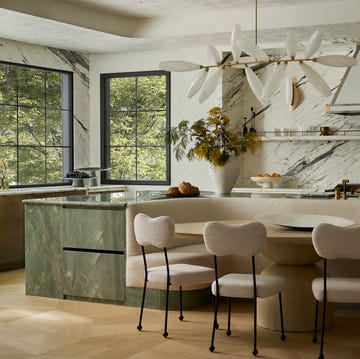
White kitchens aren’t going anywhere, but the stark, all-white kitchens that dominated the early 2010s are definitely fading fast. Today’s version of the dream white kitchen is far cozier than the bright, glossy spaces that once filled our Pinterest boards (and every HGTV show).
“The biggest difference is warmth and layering,” says designer Stephanie Wiott. “Today’s white kitchens still feel timeless, but they’re softer and more nuanced.”
Cool-toned whites are being replaced with creamier shades that read calmer and more organic. Designers are pairing white paint and cabinetry with warm woods, mixed metals, statement stone, and subtle accent colors that bring personality into the room. Decorative lighting, plaster range hoods, and tactile materials are also helping kitchens look more custom. The overall goal is to create a space that feels inviting and easy to live in, rather than overly polished. The key is planning ahead.
“It’s important to look at the scheme as a whole and how it relates to your entire home,” says designer Sarah Tract. “This will allow you to fully understand the extent of your home, your needs, and how the kitchen will ensure cohesion.”
We spoke with designers about the details that matter most, from finishes and materials to styling ideas and architectural upgrades. Here’s how to get the look right.
Warm Up White Paint

White paint may seem like a straightforward choice, but there’s a huge range of whites to choose from, and the tint of your paint color can completely transform how your kitchen looks. Instead of the cool-toned whites of yore, designers suggest replacing them with cozier shades with cream, beige, or taupe undertones that appear a bit gentler.
“I’m especially drawn to creamy, warm whites with undertones that feel natural rather than stark,” says Wiott. Her current favorite? Benjamin Moore’s Pale Oak, though the paint brand’s White Dove and Steam also work, reads inviting without turning yellow-y.
The key is paying attention to how your white interacts with surrounding materials like countertops and flooring. A shade that appears crisp next to marble can suddenly skew gray or sterile, especially against warm oak cabinets or brass hardware.
Bring in Texture

The quickest way to make a white kitchen look dated? Make everything totally uniform. Today’s kitchens rely heavily on texture and contrast to create richness. “We want white kitchens to feel layered in materials and architectural details,” says designer Micaela Quinton of Copper Sky Design + Remodel.
She recommends incorporating plaster finishes, wood tones, natural stone, and beams to keep kitchens dynamic. Texture is also appearing in subtler ways, like fluted cabinetry, textured tile, woven seating, and matte finishes that soften the overall aesthetic.
“Small architectural details like the brass paneling on the island or the tailored hood bring in unique touches that will always make it feel designed rather than assembled,” says designer Prudence Bailey.


Choose Softer Stones

The dramatic, high-contrast quartz trends of the past decade are giving way to quieter-looking surfaces. Designers are gravitating toward marble and quartzite with subtle movement instead of heavily veined slabs that tend to dominate a room. These understated surfaces help kitchens appear calmer and less trend-driven while still adding visual interest.
Focus on the Backsplash

Designers are finding plenty of places to inject personality into a white kitchen. One of the best places to do that: the backsplash.
“That’s where we’re seeing the most creativity,” says designer Daniella Hoffer. “It makes such a difference.” Handmade tile, patterned stone, and textured slabs are all helping kitchens look more elevated without sacrificing the classic appeal of white cabinetry.
Mix Your Metals

Kitchens today are leaning into richer, subtler metal combinations.
“Polished nickel is having a beautiful comeback, and I love mixing the two,” says designer Angela West, Interior Design Lead at Pacaso, referring to polished nickel and brass. “Both carry a warm undertone, so they feel cohesive within a space.” The overall result looks more relaxed and less overly coordinated, which is exactly where white kitchens are heading.
Add a Pop of Contrast

One of the easiest ways to modernize a white kitchen is by breaking up all the sameness. “Adding contrast in a small area strategically can add a sense of individuality without overwhelming the overall timelessness of the kitchen,” says Quinton.
A painted island, stained wood hood, darker flooring, or furniture-style hutch can instantly add dimension without overpowering the room. You can even (gasp) stray from white cabinets. “Natural wooden cabinets and worktops complement modern kitchens beautifully and add a traditional element without making the space feel stuck in the past,” says Mike Whitfield, luxury interiors expert at Lusso.