4 min read
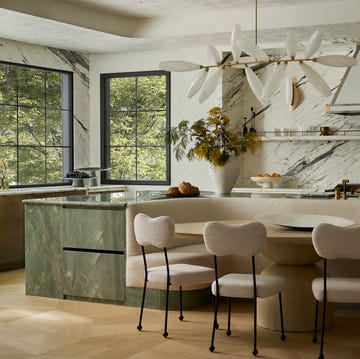
Ever walked into a kitchen and thought it felt…a little cold? Too practical, too polished, all function and no feeling? If that rings true, the “soft kitchen” trend might be exactly what your space is missing.
At its core, the soft kitchen is about shifting the room from purely functional to genuinely livable. It’s for anyone who wants more than just a place to cook: a space that doubles as a social hub, a relaxed gathering spot, and somewhere people naturally gravitate toward and feel comfortable lingering in.
“The kitchen is no longer just a functional workspace—it’s a social, open-plan environment where people cook, relax, work and spend time together,” explains Alex Main, director at Main. “The ‘soft kitchen’ trend is about kitchens becoming an extension of the living space, incorporating features like textiles, cozy seating areas, multifunctional layouts and more,” he says.
Traditionally, “kitchen” and “cozy” haven’t gone hand in hand—but that’s starting to change. If your space feels a little too utilitarian, this is your cue to rethink it. Here’s everything you need to know about embracing the soft kitchen trend at home.
What Is the Soft Kitchen Trend?
A soft kitchen is exactly what it sounds like: a space where hardness gives way to texture, warmth and visual ease.
“Soft kitchens are defined by a more relaxed, layered approach to design,” says Sam Harris, senior designer at Ashford Kitchens & Interiors. “Instead of sharp lines and high-contrast finishes, they focus on gentle forms, muted color palettes and tactile materials.”
But it’s not just about aesthetics. The shift toward softer kitchens also reflects how we use the space day to day. “While the kitchen is still one of the most practical and used rooms in the home, there is a shift towards the kitchen being truly multifunctional, from cooking and entertaining to working and socializing,” explains Sophie Chapman, associate and interior designer at The Vawdrey House.
Why Are They So Popular in 2026?


The soft kitchen trend first began gaining traction towards the end of last year, and it’s showing no signs of slowing down. In fact, designers say it’s only gathered momentum in 2026.
“Soft kitchens have really come into their own in 2026 because they reflect a broader shift in how people want to live at home. The kitchen is no longer just a functional workspace—it’s a social, open-plan environment where people cook, relax, work and spend time together,” Main explains.
For Brani Hadzhi, creative director and cofounder of Multiliving Scavolini Store, soft kitchens are popular because of the way they appeal to the senses. “A soft kitchen is one that engages the senses rather than just the practical mind. Think warm, earthy tones, natural and tactile materials, layers of texture that make the space feel lived-in and personal rather than clinical.”


How to Style a Soft Kitchen Like a Pro
Talking about a soft kitchen is all well and good, but how can you actually style one? We’ve asked experts for their top tips on crafting a soft kitchen like a pro.
Use Low Lighting


If you want to stop your kitchen space from feeling harsh or cold, getting the lighting right is key. “Softer lighting, such as wall lights or table lamps, and relaxed seating, like a bench or occasional chair, help to create a more ambient atmosphere,” says Harris.
Embrace a Warm Palette


Simon Mayhew, founder and interior designer at TXTURED, tells us that when it comes to soft kitchens, the palette should lean towards warm neutrals, like clay, chalk, sage, and putty. “These colors absorb and reflect light rather than competing with it. They work across seasons, shift with the time of day and don't date in the way that more directional colors do,” he says.
Introduce Layers


When it comes to crafting the perfect soft kitchen, Hadzhi tells us to “layer your materials deliberately and don't be afraid of contrast. Here, the warmth of bleached oak sits next to cool veined porcelain, which sits next to dark metal lacquer on the peninsula face—and the tension between them is what gives the room its depth.”
Employ Natural Materials


“Natural materials are key to bridging the kitchen and living space. Wood, stone, linen and rattan add warmth and texture, and when used across cabinetry, furniture and accessories, help create a cohesive, more relaxed environment that blurs the boundaries between zones,” says Main.
Keep It Tactile and Cozy
“Warm colors, tactile fabrics, and comfort are key in creating this aesthetic. No matter the size of your kitchen, as long as the materials and shades you chose feel soft, it will change the entire feeling of the space,” Chapman explains.