4 min read
Rosemary is a favorite among gardeners and home chefs alike. With its pleasant piney scent and dark green foliage accented by silvery undersides, this versatile herb is a beautiful and practical addition to any garden. A member of the mint family, rosemary (Rosmarinus officinalis) comes in both upright and creeping varieties, and it grows easily in garden beds or pots on your deck, patio, or balcony.
“You can plant it in a pot, preferably terracotta, or in the ground and have it live indoors or outside,” says Weslie Etienne Pierre, author of The Modern Plant Parent and owner of Wesleaf. Unlike higher-maintenance herbs such as mint or basil, rosemary thrives with minimal fuss. “It needs bright, full sunlight and no shade, so plant it away from trees," she suggests. "If you're keeping it indoors, a south-facing window with full access to the sky is best.”
Native to the Mediterranean, rosemary becomes drought-tolerant once established. In late spring to early summer, clusters of purple-blue, pink, or white flowers bloom along its branches. Rosemary grows as a perennial evergreen shrub in USDA Hardiness Zones 8 and warmer (find your zone here), and it can reach up to six feet tall and four feet wide, depending on the variety. In colder climates, it’s best to bring rosemary indoors for the winter before nighttime temperatures dip into the forties. "Plant rosemary after the last frost, or even wait an extra week to be on the safe side," Pierre advises.
Whether you’re using rosemary to make DIY scent sachets, garnish cocktails, or flavor your roasts, this hardy herb is easy to grow and rewarding to keep on hand. Read on for everything you need to know about growing rosemary at home.
Additional copy by Alyssa Khan.
Rosemary Plant Care Basics

How to Grow and Care for Rosemary

Rosemary can be grown from seed (if you have a lot of patience—germination is iffy and can take up to a month!), but it’s easier to purchase a small plant, which will grow quickly, especially under the right conditions.
Exposure and Weather Preferences
Rosemary loves the sun and lots of it. It needs at least six hours of direct sunlight per day; too little light, and the plant will develop weak, spindly growth. Rosemary doesn’t mind the heat, though it can get powdery mildew if it’s particularly humid or rainy. That said, this usually doesn’t kill the plant; just don’t use any affected branches for cooking. To prevent disease, give it plenty of good air circulation around the plant.
Soil Conditions
"Rosemary prefers a rich soil with a sandy mix and ample drainage," says Pierre. Rosemary can tolerate poor soil, but it thrives in sandy types similar to its native range. If you have heavy clay, grow your plant in pots instead. An unglazed terra-cotta pot is a great choice because excess moisture can evaporate. Also, make sure any container has a drain hole because no plant likes soggy feet.
Watering and Fertilizer Needs
Although rosemary prefers soil on the dry side, water your plant every few days if there’s no rain. Indoors, let it dry out slightly before watering again. Stick your finger in the pot, and if soil clings to it, wait another day or two to check again.
Rosemary isn’t a heavy feeder, so you don’t need to feed it like other garden plants. If grown in-ground in a warm climate, you can add some compost every spring, if you like. Otherwise, you’ll probably find potted rosemary grows quite vigorously without any help from you.
How to Grow Rosemary Indoors
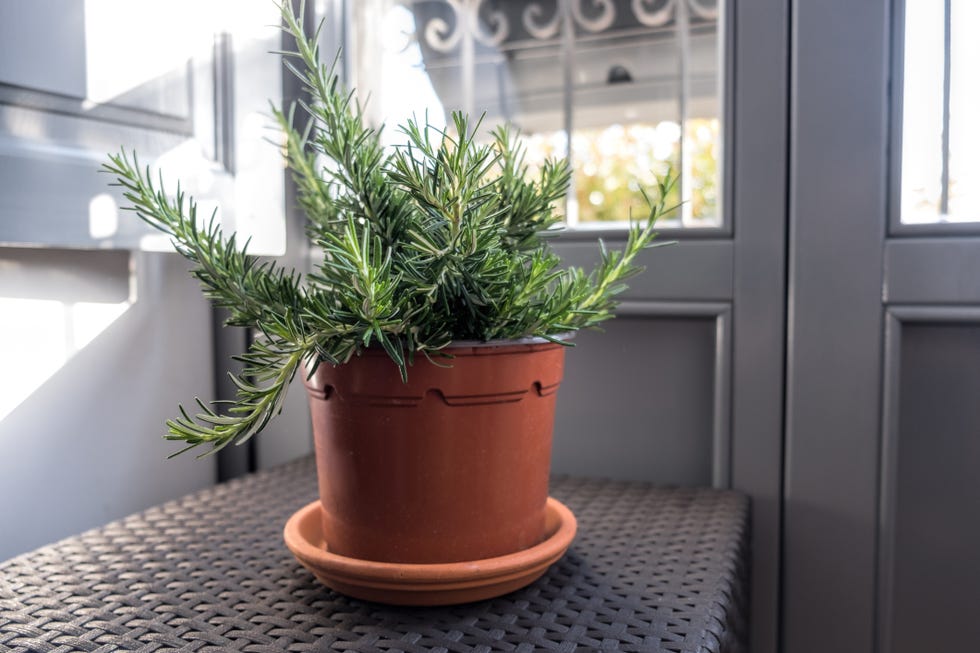
If you don't have a ton of outdoor space and are wondering if you can grow rosemary indoors, the answer is a resounding yes! Doing so is as simple as following the same tips for growing rosemary outdoors. The biggest challenge with indoor growth is making sure the plant gets enough bright light. Keep it in a bright east, west, or south-facing window, or use a grow light to compensate for a shady corner. In general, north-facing windows don’t offer enough light, especially during the winter in northern climates. Insufficient light will cause your rosemary plant to develop weak growth and drop leaves.
How to Harvest Your Rosemary

Rosemary is amazing when used in both fresh and dried forms. To harvest the plant, simply snip off a piece a few inches long for use. Throughout the year, harvest from different parts of the plant to encourage branching all the way around. If drying for later use, tie together a few branches, hang upside down out of direct sunlight, and allow to air dry. Rub the branches gently with your fingertips to remove the leaves once dry, and store them in a lidded glass jar or the freezer.
For mature plants in warm climates, you can shape them with gentle pruning to maintain their globe form. Pruning also helps develop the plant into a bushier shape. You can even prune it into a topiary form, such as a Christmas tree shape, if you’re feeling particularly ambitious.