3 min read
If you’re looking for a fun new plant with a unique, otherworldly vibe, it’s time to add an air plant to your collection. No, these plants don’t live solely on air—you will need to water them a little bit—but they’re not super fussy if you know how to care for them. Plus, they come in such fun textures, sizes, and shapes while remaining relatively inexpensive.
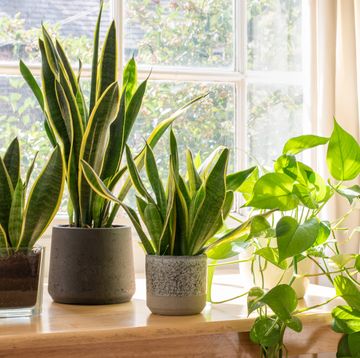
While a low-maintenance snake plant and gorgeous climbing Monstera add plenty of color to your home, air plants (Tillandsia) bring a more quirky appearance. They’re actually a type of bromeliad, like pineapples. As epiphytes, they grow on a host plant—though they’re not a parasite that feeds off the host— and they absorb nutrients through little scale-like structures on the surface of the plants.
Watering is a bit different from how you care for other houseplants, but it’s simple. Ahead, we’ll take you through all the steps to give your air plant the best care to ensure they thrive all year long.
Types of Air Plants

Air plants fall into two categories: mesic and xeric air plants. Each type requires a certain kind of care, which is why it’s important to understand the difference.
Mesic air plants
- Native to rainforests, these plants prefer more humidity and more frequent watering
- Dark green, curly leaves that appear smooth
- Require bright light, but not direct sunlight
Xeric air plants
- Native to deserts, these plants need less humidity and watering
- Typically silver-y in color with flat, fuzzy-looking leaves
- Require bright light
Shop air plants

Air Plant Shop Assorted Air Plants, 12-pack

Air Plant Shop Large Xerographica Air Plant

Air Plant Shop Purple Air Plant Brachycaulos Abdita


Air Plant Shop Curly Slim T. Intermedia x T. Streptophylla

Shop Succulents Ionantha Air Plants, 6-pack
How to Care for Your Air Plant

Light
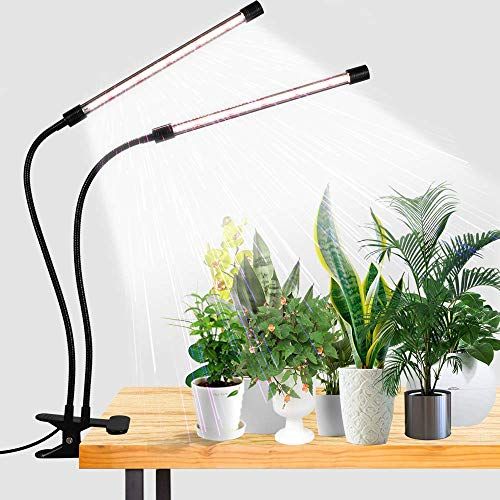
Both mesic and xeric air plants need bright light. An east-, west-, or south-facing window is best, while north-facing windows don’t usually give them enough light. They also do well under an LED grow light.
Outdoors, you can display air plants in shaded locations, though a few hours of direct morning sun is fine for xeric types. Remember that although these are tropical plants, the leaves can still be scorched if they get too much direct sunlight.
Water
Air plants don’t like to be overwatered any more than your other houseplants. Too much moisture and they’ll rot.


Xeric air plants come from the desert, so dunk them in water, shake them out, and let them dry before returning them to your display vessel. They only need to be watered about once a week to every ten days.
Mesic air plants should be watered once or twice a week. Place them in a sink filled with water and soak for 30 minutes. Shake them out, let them dry upside down, then replace them in your display vessel.
Fertilizer
While you don't necessarily have to fertilize air plants, an occasional feeding will help them flourish. Use a liquid fertilizer that's formulated for orchids or bromeliads. Follow the package instructions, feeding your plants about once a month in spring and summer.
GooingTop LED Grow Light

Espoma Orchid Liquid Plant Food

TPS NUTRIENTS Bromeliad Fertilizer
Do Air Plants Flower?

Sometimes, if your air plant is getting sufficient light and fertilizer, it may flower, though you’ll need to be patient because it takes years for flowers to develop. Sadly, once the plant flowers, the mother plant dies. The good news is that babies, or “pups,” appear around the base of the old plant. They can be left in place to grow into clumps of new babies or snipped off to make a new plant.
Are Air Plants Toxic to Pets?
According to the ASPCA, air plants are not toxic to pets. However any plant material can cause tummy and GI upset if ingested, so keep your pets away from this plant. Always call your vet ASAP if you think your pet has been nibbling on your air plants, even if you’re not entirely sure. Its always better to be safe than sorry!
How Do I Display Air Plants?

Air plants can be displayed in a ton of fun ways. They need good air circulation, and you’ll need to be able to disconnect them from whatever surface they’re mounted on so you can water them regularly. They can be displayed in shells, mounted on bark, or placed in a macrame or glass hanger. You can even mound them in a bowl. Some people even use them in bridal bouquets or as party favors, so the options are truly endless.

Geometric Air Plant Holder

Wire Air Plant Holder


Air Plant Holder with Adjustable Poses


Air Plant Shop Hanging Planter